The Nature of Luck in Gambling
Luck in gambling often evokes a sense of mystery and intrigue. In the realm of casino gaming, luck is perceived not merely as chance but as a vital component that influences the outcome of games. Players frequently attribute both wins and losses to luck, which can lead to a variety of emotional reactions. For instance, a player who wins big may view this success as the result of their good fortune, while another who loses might feel cursed by bad luck, especially when trying their luck on the best online pokies available. This dichotomy highlights how deeply luck is woven into the fabric of the gambling experience.
While many players believe in luck, the concept can be more complex than it appears. In fact, statistical probabilities underpin each game in the casino, providing a mathematical framework that can be analyzed. For example, games like blackjack and poker involve skill, strategy, and a thorough understanding of probabilities. Players who grasp these concepts can increase their odds of success, showing that while luck plays a role, skill can significantly influence outcomes as well.
Moreover, the perception of luck can be affected by cognitive biases. Players may remember their good fortune more vividly than their losses, leading to a skewed perspective on their overall gambling experience. This selective memory can reinforce the belief in luck, making players feel more connected to the outcomes of their games. In this way, the psychological aspect of gambling complicates the straightforward measurement of luck, intertwining it with human behavior and decision-making.
The Role of Randomness in Casino Games
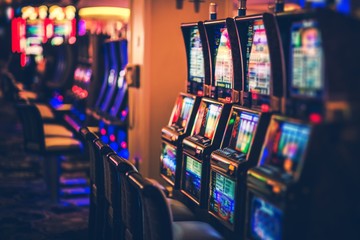
Randomness is a fundamental principle in casino gaming, driving the mechanics of most games. From slot machines to roulette wheels, outcomes are determined by random number generators and chance, which creates a level playing field for all participants. This randomness is essential for ensuring fairness and maintaining player trust. However, the randomness inherent in these games does not diminish the role of skill or strategy, especially in games where players can affect the odds through their decisions.
Understanding how randomness works can empower players to make more informed choices. For example, in games like craps, the odds can be manipulated by selecting better betting strategies. While luck will still play a part, players who comprehend the game’s dynamics can optimize their chances of success. This interplay between randomness and player skill illustrates that luck can be perceived and harnessed differently, depending on the game and the player’s approach.
Furthermore, advancements in technology have enabled a deeper analysis of randomness in casino gaming. Players and researchers can study patterns and probabilities more easily, using software and statistical models to better understand the odds associated with various games. This data-driven approach can demystify the concept of luck, allowing players to shift their focus from purely relying on chance to making calculated decisions based on analysis and understanding.
Cultural Perspectives on Luck and Gambling
Cultural beliefs about luck vary widely around the world, shaping how gambling is perceived and experienced in different societies. In some cultures, luck is seen as a supernatural force, influencing the outcomes of games in ways that are difficult to quantify. For example, in many Asian cultures, certain numbers, symbols, or colors are considered lucky and are often used strategically in gambling scenarios. These cultural nuances reflect a deeper relationship with luck that transcends mere chance.
Conversely, in Western cultures, luck is often viewed through a more secular lens, where the emphasis is placed on probability and statistics. Gambling practices are frequently supported by comprehensive odds and payouts, reflecting a more analytical approach. This dichotomy can impact how players interact with casino games, with some relying heavily on rituals and superstitions, while others focus on strategic gameplay. Understanding these cultural differences can provide insight into why people engage with gambling in various ways.
Additionally, cultural attitudes towards luck can affect how losses are processed. In societies that hold strong beliefs in luck, a loss may be more readily attributed to misfortune rather than flawed strategy or poor decision-making. This can lead to a cycle of risk-taking behavior, as individuals chase their “bad luck” in hopes of a turnaround. Thus, cultural perspectives not only shape the definitions of luck but also influence the behaviors and attitudes of those who gamble.
The Psychological Aspect of Luck in Gaming
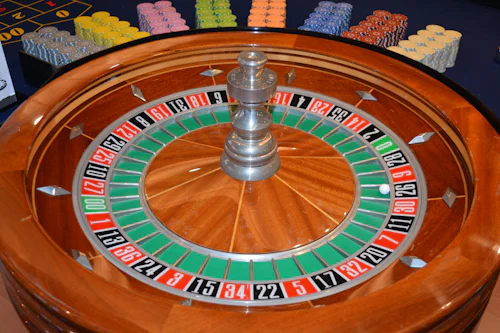
The psychology of gambling is deeply intertwined with the concept of luck, affecting how players perceive their experiences. Many players engage in cognitive biases that influence their beliefs about luck. For example, the illusion of control often leads players to believe they can influence random outcomes through their actions. This can be particularly evident in games like roulette, where players may feel they have the ability to influence the ball’s outcome by choosing specific bets.
Moreover, the excitement generated by luck can create a euphoric cycle, leading to repeated gambling behavior. The thrill of winning, often attributed to luck, can trigger positive emotional responses, reinforcing the desire to play. This phenomenon is sometimes referred to as the “gambling high” and can blur the lines between skill and chance in players’ minds. It fosters a belief that luck is consistently on their side, even when statistical outcomes may suggest otherwise.
Understanding this psychological interplay is crucial for both players and casino operators. For players, awareness of cognitive biases can help in making more rational decisions and establishing responsible gambling practices. For casino operators, recognizing these psychological factors can lead to tailored experiences that enhance customer engagement while ensuring ethical gaming practices. Ultimately, the psychological aspect of luck is a critical component that cannot be ignored in the discussion of casino gaming.
Exploring More About Casino Gaming
For those interested in delving deeper into the fascinating world of casino gaming, a wealth of resources is available to enhance understanding. From books that explore the strategies behind various games to websites dedicated to the science of gambling, there is no shortage of information. Many platforms offer insights into the psychological and statistical elements of gambling, allowing players to make more informed decisions and improve their gameplay experience.
Additionally, online forums and communities exist where enthusiasts can share their experiences, strategies, and perspectives on luck in gaming. Engaging with a community of like-minded individuals can provide valuable insights and help demystify the complexities of casino gaming. Players often contribute personal anecdotes that reflect their unique encounters with luck, enriching the overall understanding of this elusive concept.
Ultimately, as players navigate through the intricate landscape of casino gaming, being well-informed is critical. Whether it’s comprehending the odds, understanding the psychology of luck, or exploring cultural beliefs, a holistic approach can enhance the gaming experience. By combining knowledge with a respectful approach to chance, players can fully appreciate the engaging world of casino gaming while maintaining a responsible gaming mindset.